


How often should you see the dentist?
A check-up every six months finds cavities and gum problems early, when treatment is simple.
Read more
GENERAL DENTISTRY
Tooth decay is the gradual destruction of tooth structure by the acids produced by the bacteria in dental plaque. Once a cavity has formed it does not heal by itself and keeps growing over time.
A filling restores the tooth: the dentist removes the affected part and replaces it with a special material so that the tooth regains its shape, strength and function.
A filling is usually needed when there is a visible cavity or dark discolouration, sensitivity to cold, sweets or chewing, or when an old filling has broken or worn down.
Small cavities are often found only during a routine check-up or on an X-ray, before they cause any pain. The earlier they are treated, the simpler and more conservative the treatment is.
It is usually carried out under local anaesthesia in a single visit. The dentist removes the decay, shapes the tooth and places the filling material in layers, in a shade as close as possible to your natural tooth.
At the end the bite is checked so that the tooth closes comfortably. The area may stay numb for a few hours after the anaesthetic, so it is best to avoid eating until it wears off.
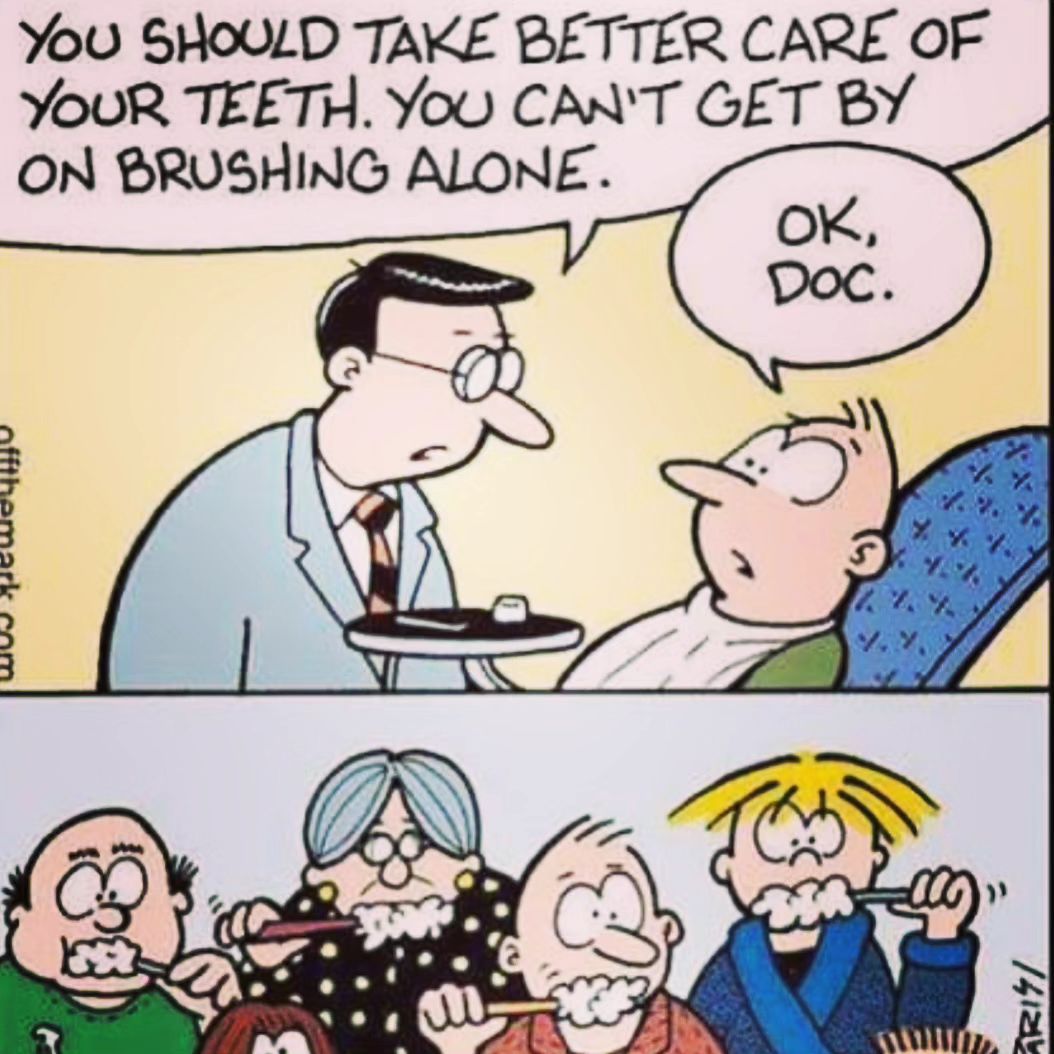
Brushing twice a day, using floss or interdental brushes, and limiting sugary foods and drinks greatly reduce the risk of new decay.
A check-up every six months helps to catch new cavities or wear on existing fillings early.
A check-up every six months finds cavities and gum problems early, when treatment is simple.
Read moreBrushing twice a day, cleaning between the teeth and good technique: the basic habits for healthy teeth.
Read moreThe first 24 hours after an extraction or surgery matter most for healing. Here is what to watch for.
Read more
Voutos Dental Clinic
Book your appointment today and meet our team.